
Are we merely hoarding digital usage data, or are we actively transforming it into sustainable family routines?
As a legal and technology consultant specializing in data privacy and user rights, I frequently examine how organizations and households manage digital information. The volume of digital exhaust we generate daily is staggering, and the pace of software evolution often outpaces our ability to regulate it at the household level. According to a recent Deloitte Tech Trends analysis, as more applications generate more data, the "knowledge half-life" of new technology has shrunk significantly. For parents, this accelerated cycle means that traditional, static blocking software becomes obsolete quickly. An effective mobile activity monitor is no longer a rigid firewall; it is a dynamic analytical tool designed to provide behavioral visibility into specific online routines without violating fundamental user privacy.
When families attempt to oversee digital habits, they often fall into the trap of over-collection. Installing invasive software that captures keystrokes or reads private messages inevitably breaches trust and creates a strained environment. My work focuses on bridging the gap between technological capability and ethical regulation. Through that lens, I want to detail how Activity Monitor operates as a mobile app company, and how our specific portfolio of applications facilitates a much healthier, data-minimized approach to digital parenting.
How do we shift from passive surveillance to intentional digital governance?
Before installing any new software, a family must define the specific problem they are trying to solve. Interestingly, we are seeing this demand for intentionality across various global sectors. For instance, Hilton’s 2025 Trends Report highlighted the rise of the "whycation"—a broad consumer movement toward intention-fueled travel where people increasingly consider exactly why they are traveling before they decide where to go. Families should adopt this exact same framework for digital oversight. We need intention-fueled tracking.
Instead of asking how to lock down a device, parents should ask why they need visibility. Is the goal to ensure a child is actually sleeping at midnight, or is it to limit social media exposure during homework hours? A modern mobile app company must design products that answer these specific "why" questions rather than offering blanket surveillance. The apps we develop include specialized features that target these precise behavioral intersections, ensuring that parents only collect the data necessary to enforce healthy boundaries.
What specific user outcomes does Luna deliver?
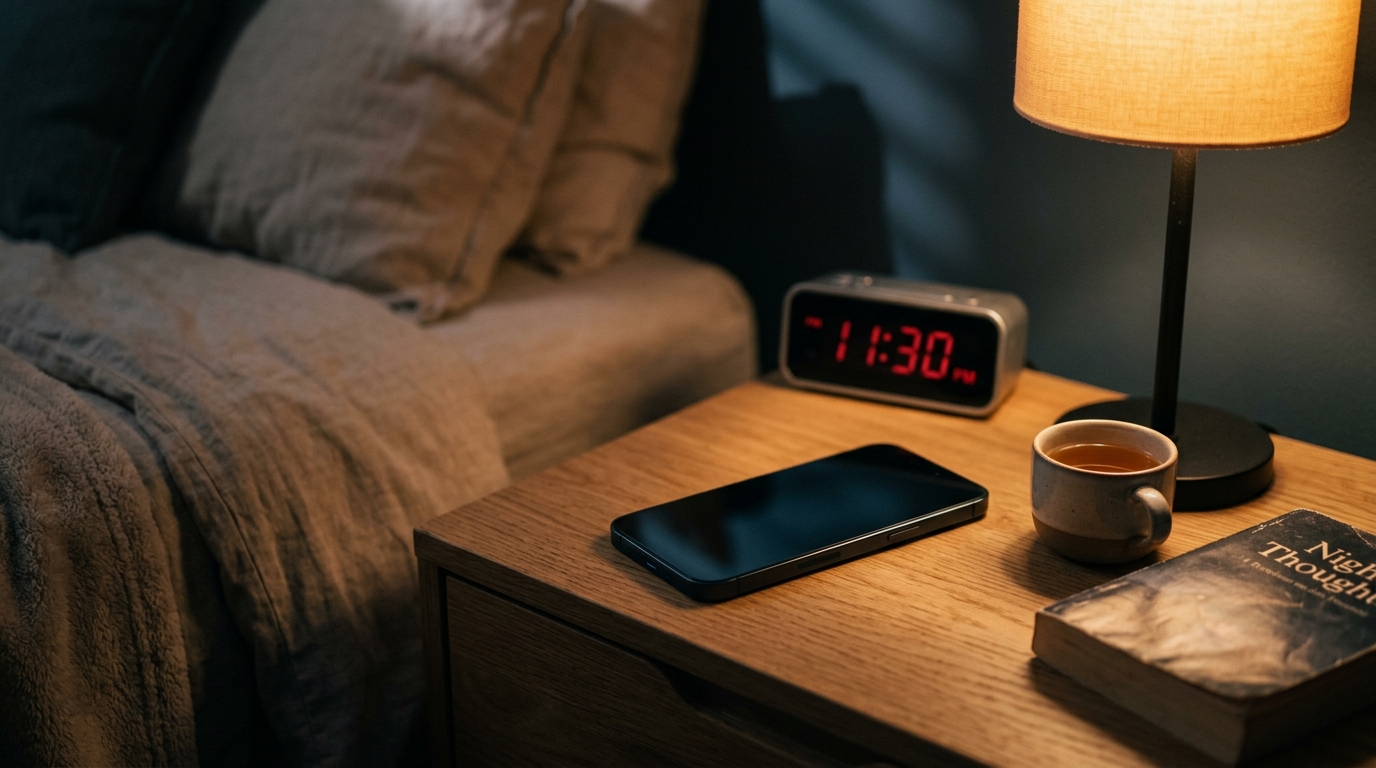
One of the most persistent conflicts I see in family technology disputes revolves around sleep hygiene and late-night messaging. This is where Luna - Parental Online Tracker proves highly effective. Luna is engineered specifically to analyze online status and last-seen patterns on platforms like WhatsApp and Telegram.
From a privacy perspective, Luna operates on the principle of data minimization. It does not read message contents, capture photos, or track GPS coordinates. Instead, it translates raw status timestamps into readable behavioral trends. If a teenager claims to be asleep by 11:00 PM, but their WhatsApp status shows active typing intervals until 2:00 AM, the parent has the objective data needed to address the sleep hygiene issue without having to demand passwords or confiscate the device. As my colleagues have previously detailed in our guides on comparing family monitoring app categories, selecting a tool like Luna is ideal when your primary friction point is schedule adherence rather than content consumption.
When is SUNA the right choice for behavioral visibility?
While Luna often serves parents of younger adolescents, older teenagers require a slightly different approach to digital autonomy. As children mature, the legal and ethical frameworks surrounding their data privacy shift. Parents still need oversight, but the mechanics of that oversight must respect the child's growing independence. This transition is where Seen Last Online Tracker, SUNA fits into our product ecosystem.
SUNA provides streamlined, focused visibility into messaging app presence. It allows families to map out digital routines passively. For instance, if a parent notices a drastic shift in a child's online communication patterns—such as suddenly being active during school hours or entirely dropping off the grid during usual social hours—SUNA highlights these anomalies. Routine validation is often the missing link in family communication. By using a specialized online tracker, families can base their conversations on objective behavioral rhythms rather than suspicion.

How does hardware fragmentation impact your oversight strategy?
Another major hurdle in managing household technology is the sheer diversity of hardware and network configurations. You might have a parent relying on an iPhone 16 Pro for work, a high schooler upgrading to an iPhone 16 Plus, and a younger sibling using an older iPhone 13. Add in varying carrier restrictions and attempting to manage screen time at the operating system level becomes a technical challenge.
Because native parental controls are heavily dependent on the specific OS version and hardware generation, they frequently fail when deployed across mixed ecosystems. This is precisely why network-agnostic, app-layer tools are essential. Because Luna and SUNA monitor external platform signals (like WhatsApp presence) rather than relying on on-device MDM (Mobile Device Management) profiles, they remain effective regardless of whether the child is using an iPhone 16 or a three-year-old tablet. The behavioral data remains consistent even when the underlying hardware does not.
What governance framework should guide your software selection?
In the corporate sector, adopting new technology requires strict governance. Recent insights on industrial technology adoption note that moving from isolated pilots to full-scale implementation requires organizations to consider cost, data, and governance at scale. I firmly believe families should adopt a micro-version of this framework when selecting monitoring tools.
First, evaluate the "data" requirement. Ask yourself what minimum amount of information you need to keep your child safe. If you only need to know when they are awake, an activity monitor focused on last-seen statuses is sufficient; full screen-recording is often an overreach. Second, consider the operational cost—meaning, your time and mental energy as a parent. A complex app that floods your phone with thousands of meaningless notifications will eventually be ignored. Finally, establish household transparency. Be open with your children about what apps you use and what data those apps collect. When you build your family's digital roadmap around transparency and intention, software stops being a point of conflict and becomes a simple utility for maintaining healthy boundaries.