
The greatest threat to family digital wellbeing in 2026 is not the raw number of hours spent staring at a screen; it is the utter lack of intention behind how we measure those hours. Effective digital oversight now requires moving away from total device lockdowns and toward targeted routine visibility. A modern parental online tracker should act as an ambient indicator of digital health rather than a covert surveillance tool.
As a communications researcher specializing in WhatsApp and Telegram, I spend my days analyzing how data packets translate into human behavior. What I consistently observe is that families fail when they attempt to block everything. The technology simply moves too fast. According to a recent Deloitte Insights report, a leading generative AI tool reached over 800 million weekly users—roughly 10% of the planet's population—in record time, shrinking the technology knowledge half-life from years to mere months. Attempting to micromanage every new platform is a losing battle. Instead, establishing a baseline of visibility allows parents to step in only when established routines, such as sleep schedules or dedicated study hours, are disrupted.
Intentional digital oversight replaces outdated surveillance models
The transition from passive surveillance to intentional visibility requires a fundamental shift in how we view tracking. Historically, parental control software focused on restriction: locking apps, reading private messages, and enforcing hard time limits. While appropriate for very young children, this method creates severe friction with teenagers and fails to teach digital self-regulation.
Ambient visibility focuses purely on patterns. It answers fundamental questions: Is my child awake at 3:00 AM? Are they consistently logging into messaging platforms during school hours? By relying on metadata—specifically online status changes and last seen timestamps—parents gain the necessary insight without crossing the line into reading private conversations. This distinction is the bedrock of maintaining trust while ensuring safety.
The physical fitness boom provides a roadmap for digital habits
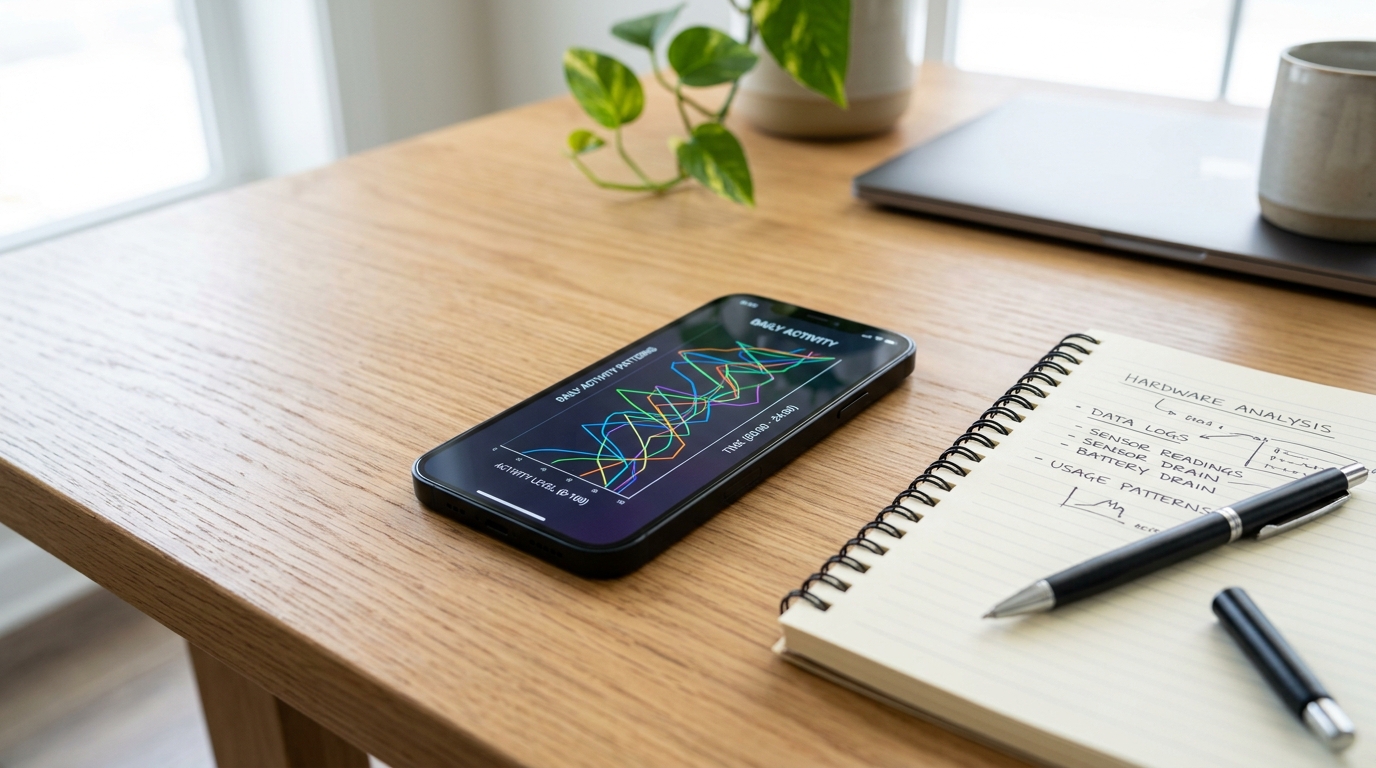
To understand where digital tracking must go, we should examine how society approaches physical health. Data from the Health & Fitness Association's recent consumer report reveals that fitness facility memberships rose 5.6% in 2024, extending the industry's strongest two-year growth streak on record to encompass 77 million members. People do not track their workouts to restrict their physical freedom; they track them to build positive, sustainable habits.
We must apply this exact framework to our digital lives. Monitoring an online routine is the digital equivalent of tracking daily steps or heart rate. It provides a baseline metric. When an activity monitor measures screen presence, it is not passing judgment; it is simply providing the data necessary to have an informed conversation about screen hygiene. As a mobile app company, Activity Monitor builds tools exactly for this purpose. We prioritize metrics that foster dialogue rather than strict restriction.
Hardware and network choices dictate background tracking accuracy
One of the most misunderstood aspects of routine tracking is the role of physical devices. A parental strategy is only as reliable as the data it receives, and that data is heavily influenced by hardware fragmentation. Different smartphones manage background refresh rates, battery optimization, and network polling in vastly different ways.
Consider a family sharing different generations of devices. An older device like an iPhone 11 will often pause background app activity aggressively to preserve a degraded battery. This OS-level throttling can lead to delayed status updates, making it appear as though a child is offline when they might still be active. Conversely, a newer device like an iPhone 14 running on a high-speed 5G network processes these background micro-transactions efficiently, providing near real-time status reporting.
The specific model further complicates the picture. If a teenager is using an iPhone 14 Pro, the Always-On display architecture and advanced background protocols interact differently with the network than a standard model. Even a device optimized specifically for longevity, like the iPhone 14 Plus, will batch network requests to save power, which slightly alters the timing of "last seen" timestamps. Furthermore, carrier infrastructure matters; data routed through a T-Mobile network may exhibit different latency profiles for push notifications compared to other providers.
I frequently remind parents that understanding these hardware nuances is critical. You must know your equipment before you draw behavioral conclusions, ensuring you do not mistake a technical delay for deceptive behavior.
Targeted routine visibility solves specific communication blind spots
When families identify a specific problem—such as late-night messaging disrupting sleep—they need a specific solution, not a bloated software suite. Targeted apps excel here because they do one thing exceptionally well. Our apps include specific solutions designed to interface with major messaging networks without requiring complex device management profiles.
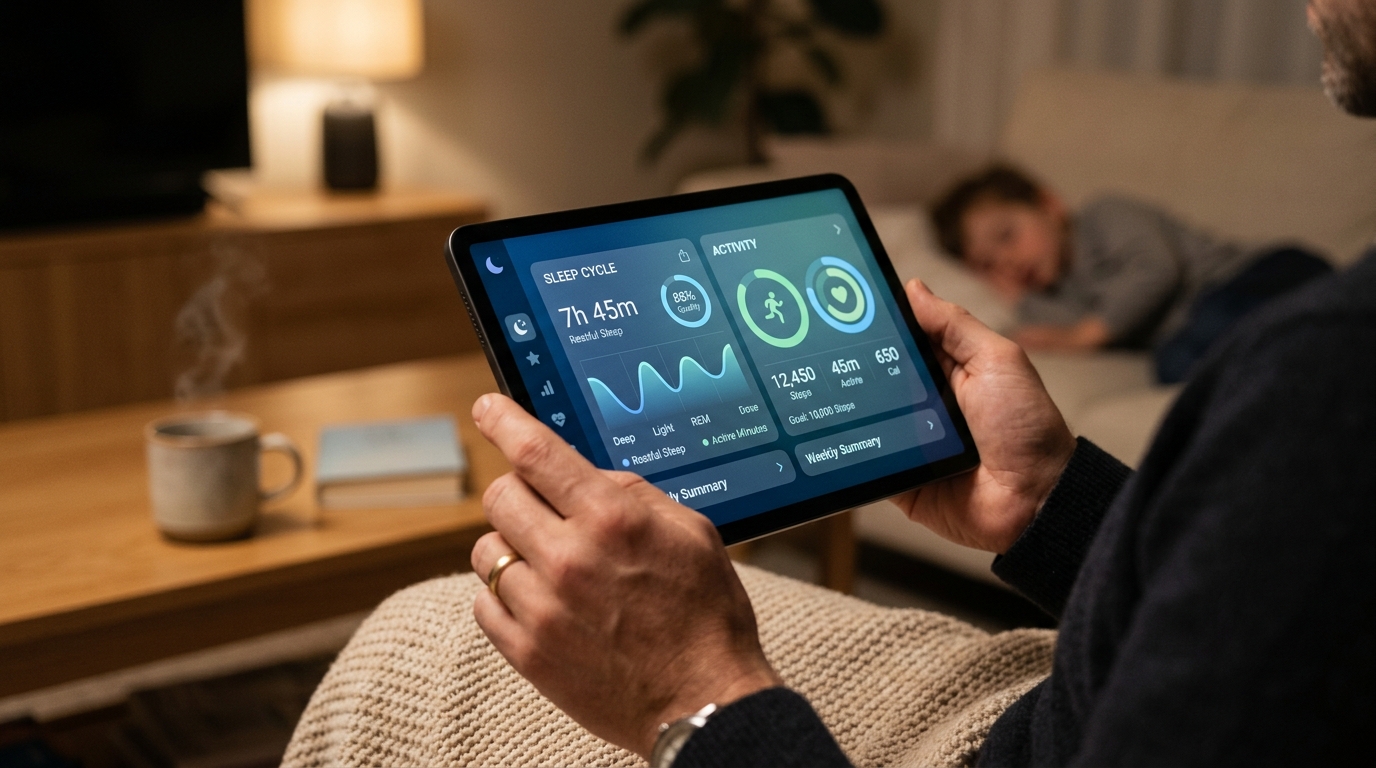
For WhatsApp and Telegram, tools like Luna - Parental Online Tracker are engineered to provide exact visibility into when a user is active. It does not read the messages; it simply records the timestamps. This allows parents to verify if a child is actually disconnecting at bedtime. Similarly, the Seen Last Online Tracker, SUNA offers analytical breakdowns of these online patterns, turning raw timestamps into readable charts that highlight excessive usage during restricted hours.
My colleague Ali Yalçın has previously explored the broader implications of this approach and how targeted visibility solutions fill critical information gaps for families. The core takeaway remains the same: pinpoint the blind spot, apply the right tool, and use the resulting data to guide offline conversations.
Establishing clear boundaries defines a healthy tracking strategy
To successfully implement routine visibility, families need a clear decision framework. Based on my research and daily interactions with communication platforms, I recommend the following criteria when selecting and deploying tracking tools:
- Identify the primary friction point: Are you trying to stop late-night texting, or are you concerned about usage during school hours? Define the problem before installing software.
- Choose transparency over stealth: Inform your teenagers that you are monitoring their sleep schedules via their online status. Secret surveillance breeds resentment; transparent tracking builds accountability.
- Focus on trends, not isolated incidents: Do not react to a single late-night log-in. Look for sustained patterns of sleep deprivation or distraction over a two-week period before intervening.
- Acknowledge technical limitations: Remember the hardware differences discussed earlier. Give the benefit of the doubt if a timestamp seems slightly off, recognizing that network latency and battery optimization play a role.
Digital oversight is fundamentally about parenting, not programming. By relying on targeted visibility, understanding the technical realities of modern smartphones, and maintaining open lines of communication, families can manage the complexities of connected life with clarity and confidence.