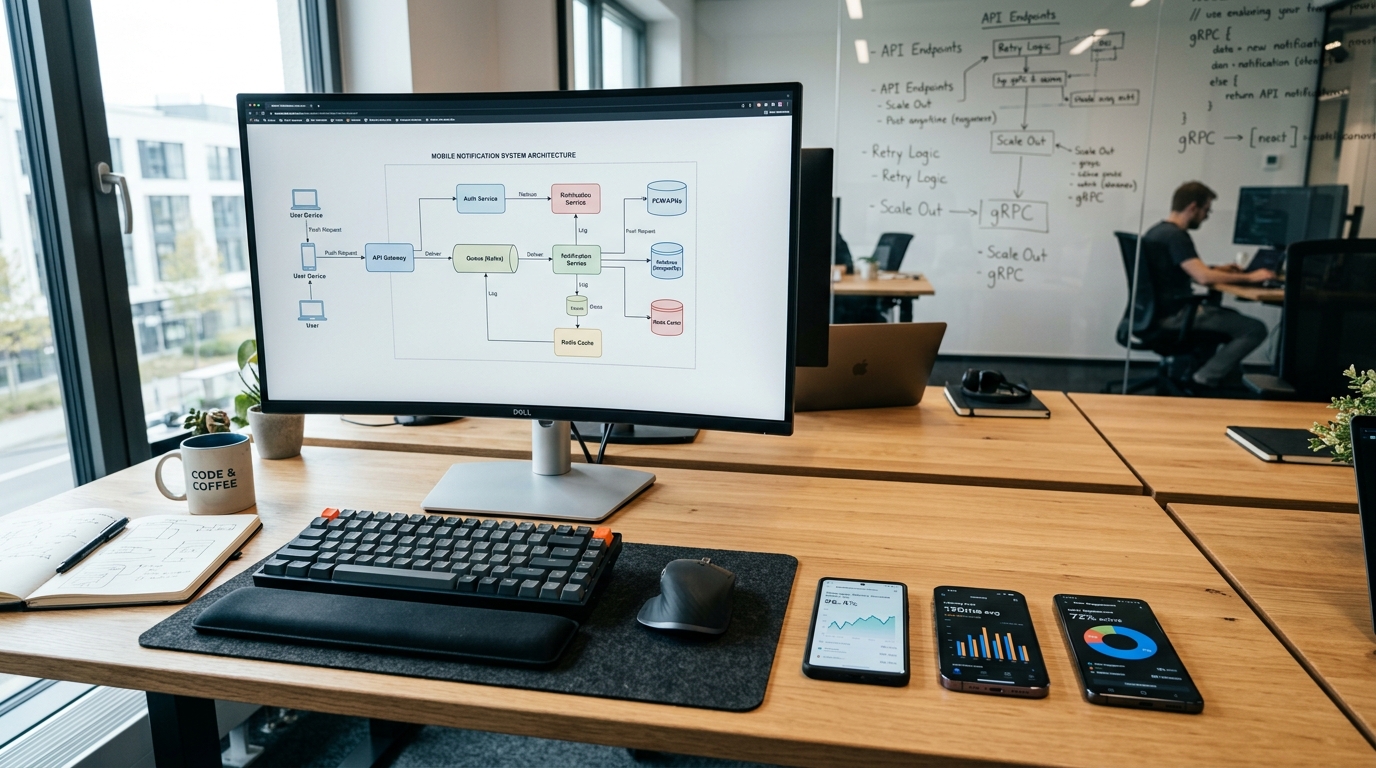
Picture a busy household on a Saturday morning. A parent walks into the local T-Mobile store to upgrade the family’s devices, trading in an older iPhone 11 for a standard iPhone 14, while picking up an iPhone 14 Pro and an iPhone 14 Plus for the teenagers. The expectation is common: once these new devices are activated and a standard parental online tracker is installed, the family's digital safety is effectively "handled." As a software engineer specializing in real-time messaging systems and notification technologies, I see this scenario play out continuously. Families expect software to act as a permanent, unchanging safeguard, but the mobile environment moves entirely too fast for "set it and forget it" installations.
To provide a clear framework: The long-term product roadmap for family digital oversight is no longer about building static restriction features; it is about developing adaptive, intentional systems that evolve alongside rapidly changing mobile technologies. At Activity Monitor, our product vision maps directly to user needs by prioritizing real-time routine visibility over outdated surveillance practices.
Building apps that families rely on daily requires us to confront several deeply ingrained misunderstandings about how monitoring software actually functions. Let's break down the most persistent myths driving the family tech market today, and examine how our company approaches these engineering challenges differently.
Why do static feature lists fail modern families?
Myth 1: A monitoring app just needs to block content to be effective.
The most pervasive myth in our sector is that digital oversight is a containment problem. Historically, developers built massive walls around operating systems, attempting to block specific apps or restrict bandwidth. In my experience managing server-side architectures, this approach is fundamentally flawed today.
The core issue is technological velocity. According to the Deloitte Tech Trends 2026 report, the knowledge half-life in emerging software and AI has shrunk from years to mere months. The report highlights a stark reality: the time it takes organizations to study a new technology often exceeds that technology’s relevance window. If an app company builds a rigid tool designed to block a specific protocol today, that feature will likely be obsolete by the next major operating system update.
Instead of playing a futile game of catch-up with hardware manufacturers, our roadmap focuses on adaptability. The apps we develop, which include Luna and SUNA, are built on flexible microservices that prioritize observing patterns rather than enforcing static locks. When a child's online status changes, our systems process that status through lightweight APIs to deliver an immediate, accurate notification. We engineer for visibility, recognizing that giving parents insight into when their teens are active late at night is infinitely more practical than attempting to freeze their devices.
Does more data actually equal better oversight?
Myth 2: Capturing every single keystroke and message provides the best protection.
There is a dangerous assumption that an effective monitor must collect every piece of data possible. I constantly review support requests from parents asking if they can intercept specific text contents or view exact screen recordings. As an engineer, building those capabilities is highly problematic for device performance, battery life, and user privacy. As a product strategist, it is just bad practice.
Data without behavioral context is just noise. We can look at adjacent industries to understand why structured visibility works better than raw data collection. Data from a 2026 Create PT industry analysis reveals a fascinating behavioral parallel in the fitness sector: while 76% of people want to be fit, only 48% maintain the habit. However, when users switch from passive data collection (like basic step counters) to structured, technology-guided routines (like AI-assisted training), their routine adherence leaps by 71%.
This principle directly informs our software roadmap. Families do not need raw logs of thousands of generic interactions; they need structured insights. An alert indicating a child was online at 3:00 AM three nights in a row is an actionable insight. Our Luna - Parental Online Tracker focuses precisely on this type of structured last-seen data, allowing parents to address sleep deprivation without needing to read private conversations.
How does hardware fragmentation impact tracking capabilities?
Myth 3: Cross-platform tracking behaves identically across all devices.
When you read marketing materials from many vendors, they imply that software performs exactly the same way on a five-year-old Android as it does on a brand-new iPhone 14 Pro. This is an engineering fiction.
Mobile operating systems handle background tasks, network requests, and push notifications very differently. For instance, Apple’s iOS aggressively manages background app refresh to preserve battery life. If you install a heavy tracking suite on an older iPhone 11, the operating system will inevitably throttle the application, leading to delayed alerts and missed status updates. Conversely, an iPhone 14 Plus running on a high-speed 5G network might process push notifications instantly, but it still adheres to strict privacy sandboxing rules.
This fragmentation dictates a crucial part of our technical vision. To ensure reliable activity alerts regardless of the device in use, we offload the heavy processing to our own servers. Our mobile apps act as lightweight clients. This means the client application simply registers for push notifications while our backend infrastructure handles the complex state-change logic. This architectural decision ensures that parents receive timely updates without draining the battery of the target device.

What really drives an app company's long-term product direction?
Myth 4: Roadmaps are just feature requests prioritized by sales volume.
It is easy to assume that software companies just build whatever feature gets requested most frequently in app store reviews. While user feedback is critical, a genuine product roadmap is a behavioral framework, not a simple checklist.
If we simply built every requested feature, our applications would quickly bloat into unmanageable, privacy-invasive spyware. As Ceren Polat explained in a recent post regarding how our roadmap connects to family needs, useful product direction requires saying "no" to features that violate our core engineering principles.
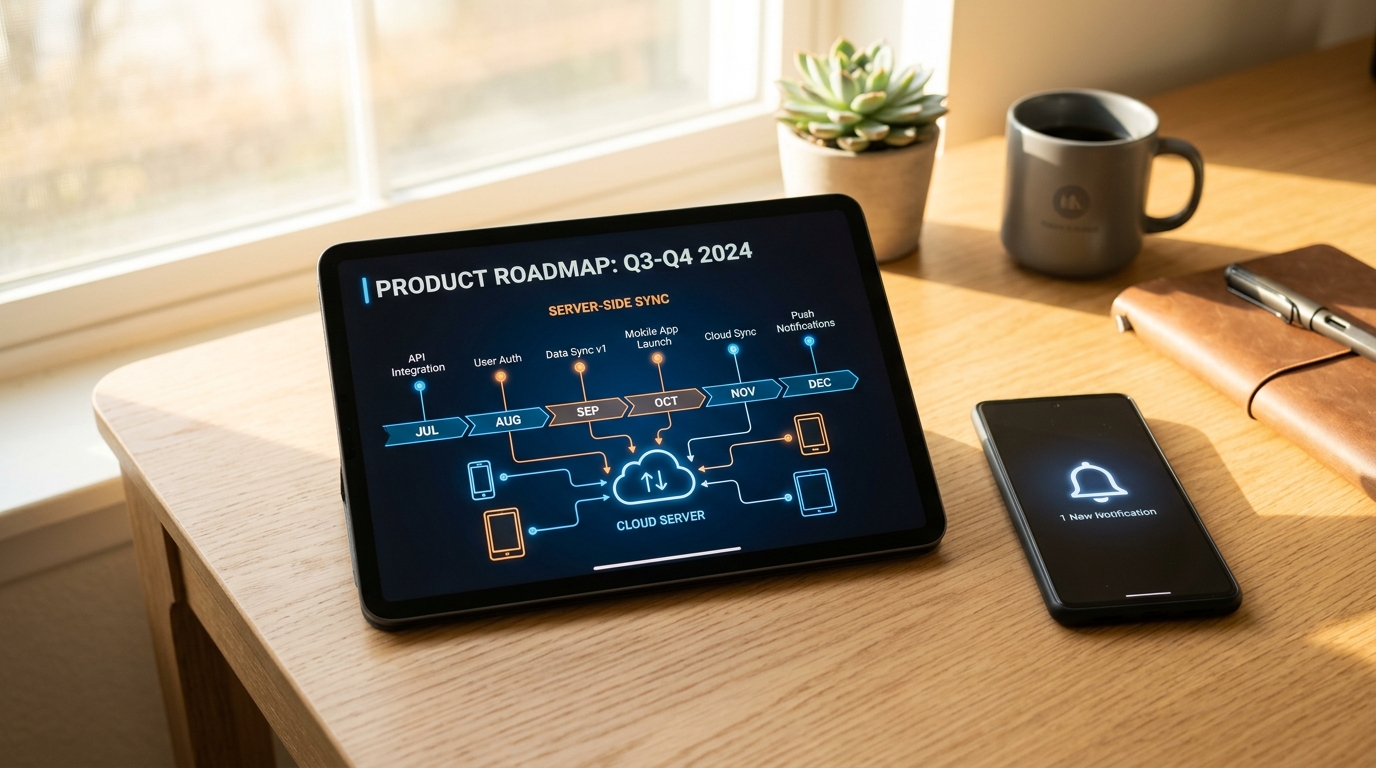
When I sit down with our development team to plan the next two quarters, we evaluate every potential update against three strict criteria:
- Latency: Will this feature slow down the real-time delivery of last-seen notifications?
- Reliability: Can this function operate consistently across both legacy networks and modern cellular architectures?
- Intentionality: Does this tool foster better conversations between parents and children, or does it encourage passive, secretive surveillance?
How do you choose the right approach for your family?
Myth 5: One comprehensive application can solve every family's digital challenges.
The search for a "silver bullet" application is understandable, but it ignores the reality of how households actually function. The needs of a family with a ten-year-old receiving their first smartphone are vastly different from a family trying to establish healthy sleep boundaries for a high school senior.
Our approach at Activity Monitor is to offer targeted, specialized solutions rather than a monolithic suite. This modular engineering philosophy means families only install what they actively need. If the goal is simply to ensure a teenager is not staying awake until dawn on messaging platforms, a lightweight tracker like SUNA focusing on online status changes is the most efficient and least intrusive choice.
Ultimately, our vision for the coming years is deeply rooted in engineering reality. Technology will continue to iterate at a breakneck pace, and hardware will become even more sophisticated. By discarding the myths of total control and embracing the engineering principles of adaptability, speed, and targeted visibility, we are building systems that actually help families build better digital habits today and well into the future.