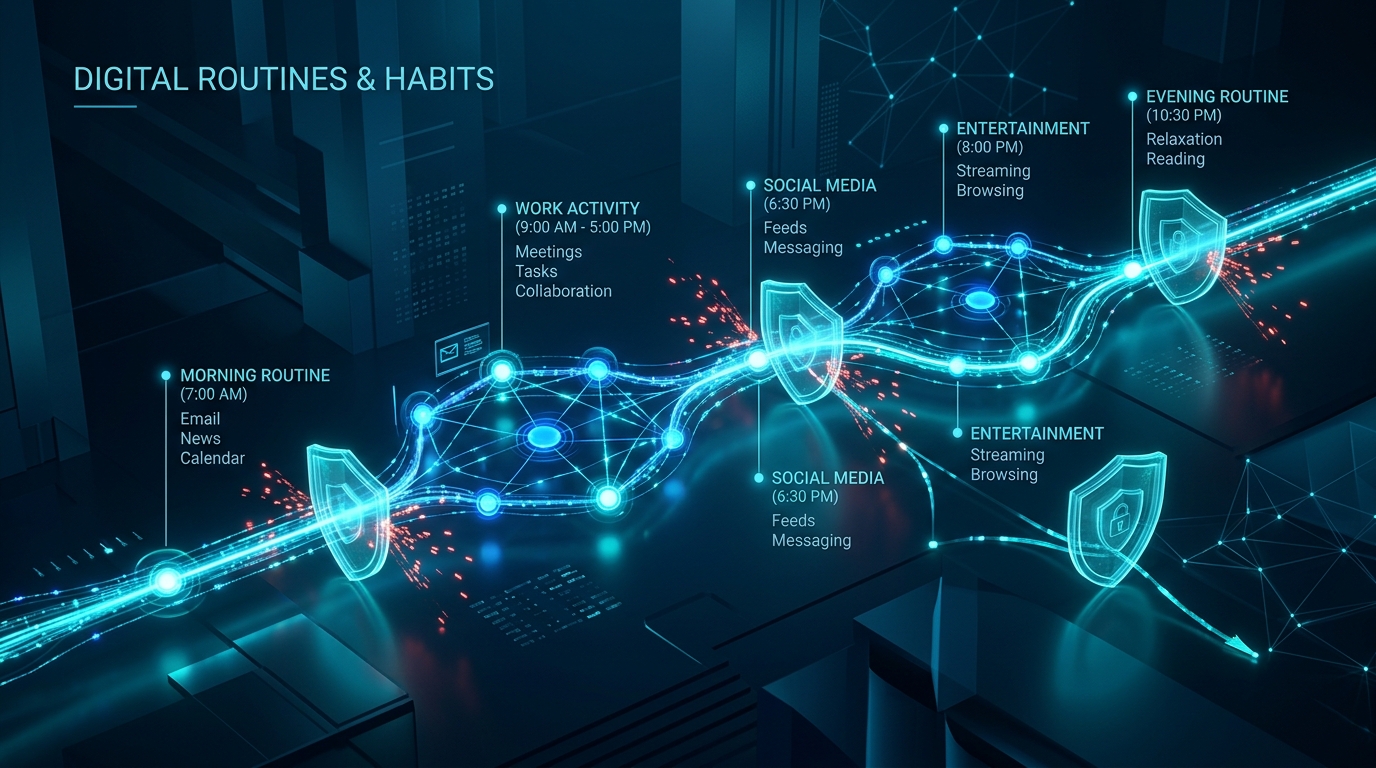
Roughly 36% to 44% of adults now own wearable technology, amassing a global market projected to reach $186 billion by 2030, according to recent industry forecasts regarding worldwide fitness trends. Concurrently, technology trend reports reveal that top generative AI applications have reached over 800 million weekly users—roughly 10% of the planet's population. This data highlights a critical reality: our digital footprint is expanding significantly faster than our ability to comprehend it. As we aggressively track our physical steps and heart rates, our family's digital habits remain largely unmapped. To manage this overwhelming technical expansion, families need targeted visibility tools—like the dedicated portfolio developed by our mobile app company, Activity Monitor, which includes Luna, SUNA, and Seen Last Online Tracker to chart precise digital routines without invasive content reading.
Acknowledge the Modern Digital Blind Spot
In my consulting work on data privacy and user rights, I frequently observe a distinct disconnect between the hardware families purchase and the structural rules they attempt to enforce. A typical household's hardware ecosystem is highly fragmented. One parent might rely on a high-end iPhone 14 Pro for business, while a teenager manages schoolwork and social life on a refurbished iPhone 11, and another family member streams media on an iPhone 14 Plus. Regardless of the device, when these endpoints connect via high-speed cellular carriers like T-Mobile, the resulting stream of messaging and browsing data is continuous and highly decentralized.
This fragmentation creates a profound blind spot. Parents recognize that excessive late-night messaging affects their children's sleep cycles and academic performance, but they lack the baseline data to prove it. They are left guessing based on physical exhaustion rather than digital reality. Activity Monitor is a specialized development firm focused on creating targeted visibility software that translates fragmented messaging metadata into readable routine patterns for families. Rather than attempting to capture every keystroke—a practice I strongly advise against from a privacy standpoint—we focus on the metadata that dictates routine: specifically, last seen timestamps and online status changes.
Assess Your Technical Readiness (Q&A)
Before implementing any oversight software, it is vital to establish what you actually need to measure. Transparency prevents conflict. Here are the core questions I recommend families address:
What exactly are we trying to measure?
If your primary concern is sleep deprivation caused by late-night group chats, you do not need full-device surveillance. You merely need a reliable mechanism to track late-night status changes on primary messaging applications.
How does this impact user privacy?
From a legal and ethical perspective, logging when a device is active is fundamentally different from reading private conversations. Effective activity mapping focuses on the "when" rather than the "what."
As noted in our recent analysis of family monitoring app categories, identifying the specific pain point—whether it is broad oversight or specific status tracking—must precede any software installation.
Deploy Luna for Deep Parental Insight
When families ask me for a practical starting point, I point toward focused analytics. You can deploy Luna - Parental Online Tracker to establish a clear baseline of messaging habits. Luna operates by logging the precise moments an account connects to platforms like WhatsApp or Telegram. It generates highly readable timelines that highlight irregular usage patterns.
For instance, if you suspect your teenager is spending three hours a night on messaging apps instead of resting, Luna provides the objective data necessary to have a calm, evidence-based discussion. Because it operates efficiently in the background, it performs reliably whether installed on a standard iPhone 14 or an older model. The goal here is not restriction for the sake of control, but rather providing structural awareness so families can agree on healthy digital boundaries.
Analyze Status Changes with SUNA and Seen
Different households require different interfaces and reporting styles. To accommodate this, our portfolio extends beyond a single application. You can utilize Seen Last Online Tracker, SUNA to gain alternative perspectives on the same underlying issue: digital availability.
SUNA excels at delivering immediate notifications regarding status changes. If a rule is established that smartphones are to be turned off at 10:00 PM, SUNA acts as a neutral third-party monitor. Instead of physically checking on your child and risking an argument, the software provides a simple confirmation of compliance. In my experience mediating digital conflicts between parents and teenagers, relying on a neutral tracker removes the emotional friction from daily rule enforcement. The data speaks for itself.
Establish Practical Digital Boundaries
The mobile environment will only grow more complex. As experts noted regarding the rapid scaling of AI and enterprise technologies, "What got them here won't get them there." The same principle applies to family digital management. Relying on physical confiscation of devices or verbal promises is no longer a viable strategy for the modern household.
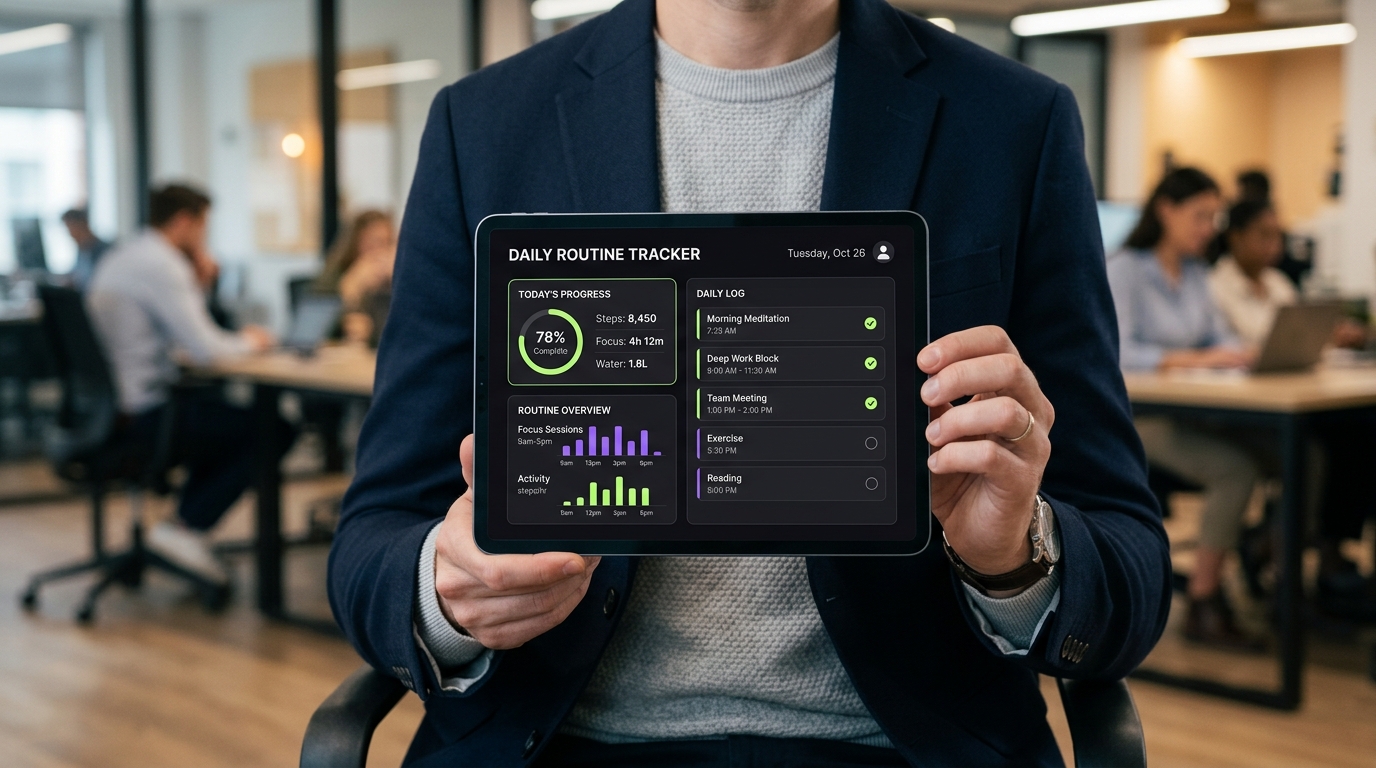
By utilizing the specialized apps developed by our company, parents shift their approach from reactive policing to proactive habit management. They can look at a 30-day usage graph, identify that Thursday nights consistently feature usage spikes, and adjust household routines accordingly.
This commitment to practical, privacy-respecting tools represents our core mission. It is a philosophy that drives everything from our engineering choices to our interface design. We build tools that include only the features necessary to solve the defined problem, leaving the rest of the user's digital experience entirely private.
Ultimately, software should illuminate behavior, not invade deeply personal content. Whether you choose Luna for comprehensive historical analysis or SUNA for immediate online status alerts, the objective remains identical: restoring clarity to your family's daily digital routine so you can foster healthier, more transparent relationships.